Learn More About Anxiety
Anxiety is a normal emotion that everyone experiences, but when the feelings of worry, tension, or fear are intense, long-lasting, or common, it could be a sign of an anxiety disorder. Fortunately, anxiety is treatable. Below you’ll find articles and resources to help you both understand and deal with feelings of anxiety.
What Is Anxiety?

Key Terms
Anxiety is a feeling of nervousness, worry, or fear, which we all feel from time to time. Anxiety disorders occur when this feeling becomes so frequent and intense that it results in lasting distress or impairment (challenges with daily functioning).
The fight-or-flight response is your body’s automatic reaction to danger. When you feel threatened (even if it’s just a thought), your brain releases stress hormones like adrenaline. Your heart races, muscles tense, and you feel alert: ready to “fight” or “flee.” Anxiety happens when this alarm system goes off too often, even when there’s no real danger.
Hypervigilance is being constantly on high alert, as if danger could happen at any moment. It’s common in anxiety and makes it hard to relax or focus. Your brain is always scanning for threats, which keeps your body in a stressed state and reinforces anxious thinking.
Avoidance is when someone steers clear of people, places, or situations that trigger their anxiety. It might feel like a relief at first, but it actually keeps anxiety going. Over time, avoidance shrinks your world and makes anxiety more powerful.
Catastrophizing is a thinking pattern where your brain jumps to the worst-case scenario. For example, if you get a text saying “We need to talk,” you might assume something terrible is about to happen. This habit fuels anxiety and makes small problems feel overwhelming.
Cognitive distortions are common thinking errors that twist how you see the world. People with anxiety often overestimate danger, underestimate their ability to cope, or think in “all-or-nothing” terms. Learning to spot and challenge these distortions is a key part of therapy.
These are physical symptoms caused or worsened by anxiety, like stomachaches, headaches, chest pain, or muscle tension. They’re real sensations, even though they come from the brain’s stress response rather than a physical illness.
Common Questions About Anxiety
How does anxiety differ from normal worry?
Anxiety is a persistent sense of dread or fear that can interfere with daily activities. Unlike normal worry, it often includes physical symptoms like a racing heart or restlessness.
Is anxiety common?
Yes. Anxiety disorders are among the most prevalent mental health conditions worldwide, affecting millions of people of all ages and backgrounds.
Can I live a normal life with anxiety?
Absolutely. Many people successfully manage anxiety using lifestyle changes, coping strategies, or therapy to maintain a fulfilling personal and professional life. While it may take time to find the right combination of supports, consistent treatment and self-care can significantly reduce symptoms. The goal isn’t to eliminate all anxiety but to learn effective ways to handle it and thrive despite it.
Does anxiety only effect thoughts and emotions?
No, anxiety often has physical symptoms such as muscle tension, restlessness, and headaches. It’s both a mental and physical experience.
Is anxiety genetic?
Anxiety disorders can be genetic, or at least have a genetic component. This means that having a family member with anxiety, or any other psychological disorder, can predispose you to developing an anxiety disorder, especially if other risk factors are involved.
Videos
Books for Dealing With Anxiety




Anxiety Types
Key Terms
Generalized Anxiety Disorder (GAD) involves constant, excessive worry about everyday things (work, health, family, safety) even when there’s no clear reason to be worried. The anxiety feels hard to control and comes with physical symptoms like restlessness, muscle tension, and trouble sleeping. The worry often jumps from topic to topic and lasts for months or more.
Panic disorder is defined by repeated panic attacks, which are sudden, intense episodes of fear that cause physical symptoms like chest pain, shortness of breath, dizziness, or feeling like you’re dying. It’s not just the attacks that cause problems, but the ongoing fear of having another one, which can lead to avoidance of places or activities.
Social anxiety is an intense fear of being judged, embarrassed, or rejected in social situations. It can happen in specific settings (like public speaking) or across many situations (like talking to coworkers or eating in public). People often avoid social events or struggle through them with extreme distress, fearing they’ll say or do something wrong.
Specific phobias are intense fears of a particular object or situation, like spiders, heights, flying, needles, or blood. The fear is usually immediate and out of proportion to the actual threat, and people often go out of their way to avoid the thing that scares them, even if they know it’s not dangerous.
Agoraphobia is the fear of being in places where escape might feel difficult or help might not be available, like crowds, open spaces, or public transportation. Individuals fear and/or intentionally avoid these spaces. In severe cases, people may avoid leaving home entirely without a trusted person.
Separation anxiety is the intense fear of being separated from someone you’re deeply attached to. People may worry about harm coming to that person or to themselves if they’re apart, and the anxiety can lead to clinginess, nightmares, or physical symptoms when separation happens. Although often diagnosed in children, this can affect adults too.
Selective mutism is a rare but real anxiety disorder usually seen in children. It involves being unable to speak in certain social situations (like school), even though the person can speak in other settings (like at home). It’s not a choice or defiance; it’s a response to extreme social anxiety.
FAQs
How many types of anxiety are there?
There are several, including Generalized Anxiety Disorder, Social Anxiety, Phobias, and more. Anxiety disorders more commonly seen in children include Separation Anxiety and Selective Mutism. Each one has unique triggers and symptoms, but they often overlap.
Can I have more than one type of anxiety?
Yes. It’s possible to experience multiple anxiety disorders, such as GAD and social anxiety, at the same time.
Videos

Signs & Symptoms of Anxiety

Key Terms
Worry becomes excessive when it’s constant, hard to control, and feels much bigger than the actual situation requires. Anxiety makes the brain overestimate danger and underestimate your ability to cope, so even small things feel like huge threats.
Anxiety keeps your body in a state of alertness, preparing for something bad to happen. This leads to physical tension, jumpiness, and the sense that you can’t sit still, as if you need to do something, even if there’s nothing to do. For some, this can even feel like irritability.
When your body thinks you’re in danger, your muscles tighten to prepare for action. With chronic anxiety, this tension doesn’t go away and can cause ongoing pain or discomfort, especially in your shoulders, neck, or jaw.
Racing thoughts involves anxious thinking that often feels fast and nonstop. Your brain keeps generating “what if” scenarios, trying to solve problems that haven’t happened. It’s a loop that feels urgent, but doesn’t actually bring clarity.
Anxiety can drive a fear of failure or making mistakes. Perfectionism becomes a way to feel in control or safe, but it also creates intense pressure and fear of not living up to your own standards.
Anxiety induced insomnia can make it hard to fall asleep or stay asleep because your mind won’t “shut off.” You might lie in bed replaying the day, worrying about tomorrow, or feeling panicky about not sleeping enough.
FAQs
What do anxiety symptoms feel like?
Anxiety symptoms vary widely but often include restlessness, racing heart, and physical tension. In more severe cases, people may experience trembling, nausea, or chest pain.
Are panic attacks and anxiety attacks the same thing?
A panic attack is typically more intense and sudden, involving extreme fear and physical symptoms. Repeated, often unexpected panic attacks can be diagnosed as Panic Disorder. An anxiety attack can build gradually and isn’t always as acute.
Can anxiety cause long term health issues?
Chronic anxiety can affect sleep, digestion, and immune function. Over time, unmanaged stress may lead to more serious conditions if left untreated.

Anxiety Treatments

Key Terms
CBT for anxiety is one of the most well-known and proven treatments for anxiety. It works by helping you notice and challenge unhelpful thoughts (like “I can’t handle this” or “Something terrible will happen”) and replace them with more realistic ones. It also teaches you how to face feared situations gradually instead of avoiding them. You might keep a thought journal, learn relaxation skills, or do exercises to test your fears. Over time, your brain learns that you’re safer and more capable than anxiety tells you.
Exposure therapy for anxiety is a type of CBT that focuses specifically on facing your fears. Instead of avoiding things that make you anxious, you learn to approach them slowly and repeatedly in a safe, structured way. This retrains your brain to stop reacting with panic or dread. For example, if you fear public speaking, you might start by talking in front of a mirror, then to a small group, and work up to larger crowds. It’s uncomfortable at first, but it’s one of the most effective ways to reduce anxiety long-term.
MBSR teaches you how to slow down and pay attention to the present moment without judging your thoughts or feelings. Anxiety often pulls you into the future, imagining what could go wrong. Mindfulness helps you come back to right now, which reduces worry and increases calm. In treatment, you might learn breathing exercises, meditation, or mindful movement like yoga. Practicing regularly changes how your brain responds to stress and helps you observe anxiety without being overwhelmed by it.
ACT for anxiety helps you accept anxious thoughts and feelings instead of fighting them, while focusing on what matters most to you. The idea is that trying to “get rid of” anxiety often makes it worse. ACT teaches you to create space for uncomfortable emotions and still take actions that align with your values. In therapy, you might learn to label thoughts (“I’m having the thought that…”), use mindfulness, and commit to meaningful goals, even if anxiety tags along. It builds strength through acceptance, not avoidance.
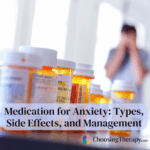
For some people, medication for anxiety can be a helpful part of treatment, especially for those with moderate to severe anxiety. SSRIs (like sertraline or fluoxetine, generics for Zoloft and Prozac) and SNRIs (like venlafaxine, generic for Effexor) work by changing the levels of certain chemicals in the brain that affect mood and anxiety. They don’t “cure” anxiety, but they can lower the intensity so you can function better and work more effectively in therapy. Medication is usually prescribed by a doctor or psychiatrist and often takes a few weeks to fully work.
FAQs
What is the most effective treatment for anxiety?
Most people benefit from a combination of anxiety therapy (e.g., CBT) and, if needed, anxiety medication. However, each treatment plan should be personalized.
Can I manage anxiety without medication?
Many individuals find success with therapy, lifestyle changes, and coping strategies alone. That said, some benefit greatly from medication for more severe symptoms.
How long does therapy for anxiety usually take?
It varies. Some see significant improvement in a few weeks or months; others continue therapy longer for deeper changes and relapse prevention.
Are treatments like TMS or ketamine for anxiety mainstream?
TMS or ketamine treatments for anxiety are generally reserved for treatment-resistant cases or specific diagnoses. While research is ongoing, some find them helpful when other treatments haven’t worked.
How does someone get an anxiety disorder diagnosis?
Your doctor can evaluate if your anxiety is related to a medical condition or something else that needs to be addressed (e.g., hyperthyroidism). You can also reach out to a therapist or psychiatrist who can conduct a comprehensive assessment to determine a diagnosis and provide treatment as well.

Anxiety and Relationships
Key Terms
Emotional regulation is being able to manage intense emotions in healthy ways. Anxiety can make this harder, which affects how people react in conversations or conflicts.
Attachment styles are how people relate to others emotionally, especially under stress. Anxious attachment often comes with a fear of being rejected or not being “enough,” which can affect closeness and trust.
Setting healthy boundaries in a relationship is important to protect emotional well-being. Anxiety can make setting or respecting boundaries feel scary but learning them helps both people feel safe.
FAQs
How does anxiety show up in close relationships?
Anxiety can lead to overthinking, needing constant reassurance, or avoiding conflict out of fear. It might cause someone to worry they’re not lovable, assume others are upset, or become overwhelmed in emotionally intense moments.
Why does anxiety make people doubt their relationships?
Anxiety thrives on uncertainty. Even in a stable relationship, the anxious brain may say, “What if they stop loving me?” or “What if I mess this up?”
What can an anxious person do to stop overthinking everything?
It helps to pause, name the thought, and ask: Is this a fact, or is this anxiety talking? Journaling, deep breathing, or practicing grounding skills can also calm the mind and make space for clarity and connection.
Why do I get upset when my partner needs space?
Anxiety can trigger fear of abandonment or rejection, even if the other person just needs quiet time. Learning to soothe yourself, communicate your needs calmly, and respect their boundaries builds more security over time.
What should I do when I feel anxious about a loved one’s health, safety, or decisions?
Notice the difference between loving concern and anxious control. Try to stay supportive without needing total certainty. Accepting that you can’t protect others from everything is hard, but it’s a part of healthy love.
How can my partner or friend support me when I’m anxious?
They can stay calm, listen without trying to “fix” things, and gently remind you of what’s true (“You’ve felt this before and it passed”). It also helps if they learn about anxiety so they don’t take things personally.
How can I stop needing constant reassurance?
Start by recognizing the urge and sitting with the discomfort for a few minutes before acting on it. Over time, you’ll build tolerance for uncertainty. It helps to remind yourself: Needing reassurance doesn’t mean danger is real.
Videos

Living with Anxiety
Key Terms
Coping skills are strategies that help calm your body or change how you respond to anxiety. They include breathing exercises, grounding techniques, journaling, physical activity, or reframing anxious thoughts.
FAQs
How do I know if what I’m feeling is anxiety and not just stress?
Anxiety sticks around even when there’s no real danger. It often shows up as constant worry, physical tension, or fear that feels out of proportion. Stress comes and goes with life events, whereas anxiety tends to loop and linger.
Do these feelings of anxiety mean I’m going crazy?
No, even intense anxiety doesn’t mean you’re losing your mind. It can feel overwhelming, but it’s your brain reacting to fear, not breaking down. You’re not alone, and help is available.
What if I get anxious in front of people at work or school?
This is common, and there are strategies that help. Learning calming techniques, practicing self-compassion, and slowly facing feared situations can build confidence. Anxiety may show up, but it doesn’t have to be in control.
Can anxiety make me physically sick?
Yes, anxiety often shows up in the body as headaches, nausea, tight muscles, or fatigue. These symptoms are real, even though they come from the brain’s stress system. Calming the mind can calm the body.
Do I need therapy or medication?
Maybe, but not always both. Many people benefit from therapy (especially CBT), while others use medication, or a combination. What’s most important is finding a plan that works for your life and goals.
What can I do on my own to feel better?
Start small. Deep breathing, regular sleep, exercise, and limiting caffeine can help. Writing down anxious thoughts or talking to someone you trust also makes a difference. These are coping skills that build over time.

Overlapping and Related Conditions

Key Terms
Comorbidity means having more than one mental health condition at the same time. It’s very common and anxiety often overlaps with other disorders.
Some conditions share similar features (like nervousness or avoidance) but they have different root causes or patterns.
FAQs
Why do people often have both anxiety and depression?
Anxiety and depression share certain risk factors (e.g., genetics, trauma). They also share some similar features, like negative emotion and pessimistic or self-deprecating thinking. People can be diagnosed with both a depressive and an anxiety disorder if they meet criteria for each.
Are OCD and anxiety related?
Many people with OCD have a comorbid anxiety disorder, and both involve excessive worry. However, OCD involves both unwanted worries (obsessions) and repetitive behaviors or mental rituals (compulsions).
Are PTSD and anxiety related?
Many people with PTSD have a comorbid anxiety disorder. PTSD can happen when someone experiences a traumatic or life-threatening event. Like anxiety, it includes fear and hyper-alertness, but it also involves flashbacks, nightmares, or emotional numbness. The fear in PTSD is tied to a specific past experience, whereas anxiety can develop regardless of a past trauma.
Are ADHD and anxiety related?
Some people with ADHD have a comorbid anxiety disorder. ADHD affects focus, impulse control, and organization. People with ADHD often feel anxious, but their worry comes more from frustration or overwhelm. ADHD and anxiety are different, but they can happen together.
Are eating disorders and anxiety related?
Many people with eating disorders have a comorbid anxiety disorder. They also have overlapping symptoms, as conditions like anorexia, bulimia, or binge eating disorder often come with intense anxiety around food, control, and self-image. Even if anxiety isn’t the main diagnosis, it often plays a powerful role.
Are bipolar disorder and anxiety related?
Many people with bipolar disorder have a comorbid anxiety disorder. There is some overlap in symptoms; for example, repeated anxious thinking (rumination) in anxiety can seem like the racing thoughts seen in bipolar disorder. A careful assessment is needed to determine which is an appropriate diagnosis, or if both are happening at the same time.
Videos



Read More About Anxiety